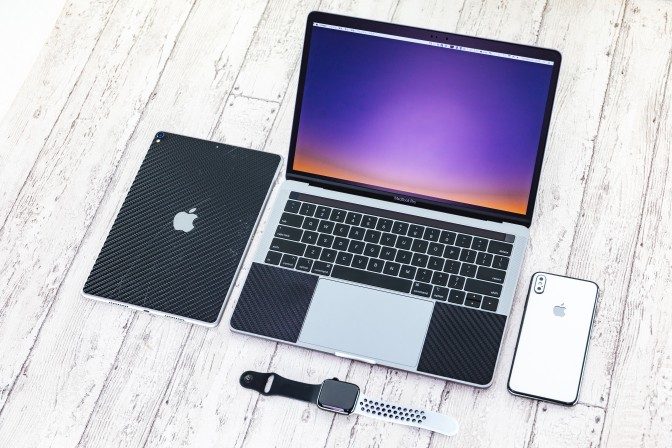
In a significant shift for Australian consumers, Apple has announced a price hike for various iPad and MacBook models, attributing the increases to the escalating costs of memory and storage components. These cost pressures are linked to the global surge in demand driven by advancements in artificial intelligence technology. The price adjustments have resulted in some products seeing increases of over 20%, notably affecting the affordability of Apple’s popular computing devices.
Among the models impacted, the price of the MacBook Air 13-inch has risen from $1,799 to $2,099. Additionally, Apple’s more budget-friendly MacBook variant has also seen a price increase. The iPad lineup, including the standard iPad, iPad mini, iPad Air, and iPad Pro, has not been spared from these changes, with each model experiencing substantial price jumps.
Apple has pointed out that it had previously absorbed the brunt of these rising production costs but has now reached a threshold necessitating price adjustments. The company has particularly noted the swift and significant increases in the costs of memory and storage chips as a major factor influencing this decision.
This price escalation occurs amid heightened competition among technology firms for critical chip supplies essential for AI data centers. As the demand for advanced computing capabilities grows, the availability of memory components for consumer electronics has diminished, leading to increased manufacturing costs across the tech industry.
Interestingly, the iPhone series has so far remained unaffected by these price changes. However, industry analysts predict that future iPhone models may eventually reflect similar price hikes as tech companies continue to grapple with rising component expenses. Other tech companies have also begun adjusting their device prices in response to the escalating costs of memory and storage components.