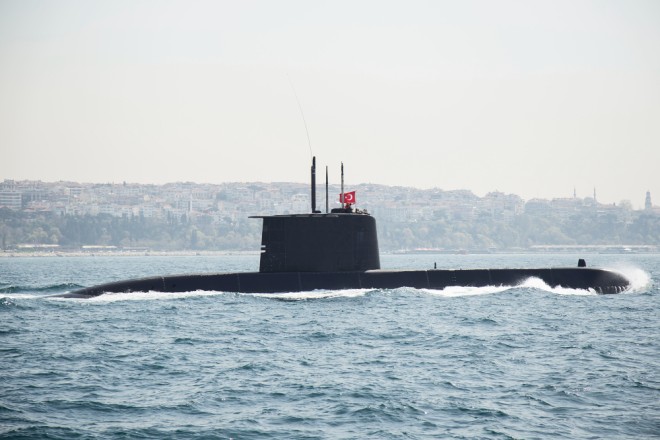
Canada is on the brink of making a significant decision in its defense sector by selecting a preferred supplier for a new fleet of up to 12 submarines. This major military procurement, valued at tens of billions of dollars, is considered one of the largest in the nation’s history. The decision has boiled down to a tight competition primarily between South Korea’s Hanwha and Germany’s ThyssenKrupp Marine Systems (TKMS). Both companies have put forth compelling proposals that not only meet the operational needs of the Canadian Navy but also bring to the forefront the broader implications of economic benefits and geopolitical considerations.
The competition has been marked by aggressive strategies from both contenders. Hanwha has taken a proactive approach with a nationwide advertising campaign promoting its KSS-III submarine. The company has underscored its capability to deliver these submarines on a faster timeline, emphasizing potential industrial partnerships and economic investments within Canada. The KSS-III model is noted for its larger capacity and the capability to launch ballistic or cruise missiles from vertical launch systems, making it an attractive option for modern naval operations.
On the other hand, TKMS has leveraged its extensive experience as a leading supplier of conventional submarines to NATO allies to strengthen its bid. The German company’s 212CD submarine is lauded for its advanced stealth technology and offers significant interoperability benefits with NATO partners, such as Germany and Norway, who are also procuring the same platform. This alignment with NATO standards is seen as a strategic advantage for Canada, should it opt for TKMS’s offering.
Defense experts suggest that the race remains extremely close, with both Hanwha and TKMS presenting robust military, economic, and strategic propositions. While submarine performance is a critical factor, Ottawa is also expected to consider industrial investments, job creation prospects, alliance dynamics, and the potential for long-term partnerships before reaching a final decision. The procurement process has been notably distinctive, with the Canadian government expediting timelines and placing a significant focus on the economic implications alongside the defense requirements.
As Canada moves closer to finalizing its decision, the outcome will not only shape its naval capabilities but also influence its economic landscape and international alliances. The stakes are high, and the choice of supplier will likely have lasting impacts on Canada’s defense strategy and its position within the global military procurement domain.