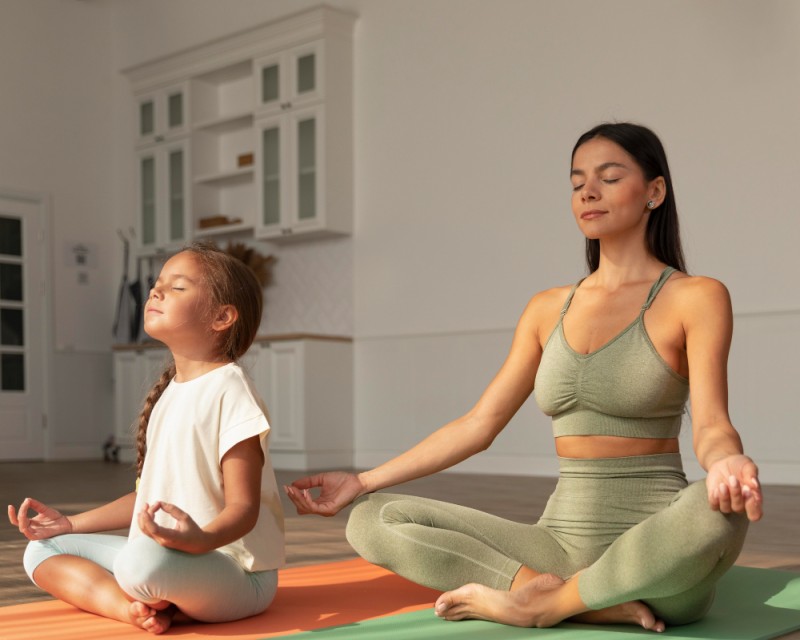
Yoga is a multifaceted practice that extends beyond physical exercise, aiming to enhance concentration, balance, and emotional stability. Introducing yoga to young children can foster not only healthy habits but also greater body awareness and a more peaceful state of mind. As children increasingly spend time with digital screens and less in active play, incorporating yoga into their routine can promote movement, relaxation, and mindfulness. Experts recommend that children engage with yoga through enjoyable and simple movements, focusing more on fun and ease rather than rigid routines.
Beginning yoga as early as ages 4 to 5 is possible with basic, playful exercises. As children grow, typically between 6 and 12 years old, they can advance to longer poses, breathing exercises, and more organized practices. The aim is not to achieve perfect poses but to nurture their ability to concentrate and be flexible, confident, and self-aware. Yoga serves as a valuable tool for helping children manage stress and emotions while promoting relaxation and mindful breathing.
Basic yoga poses can be highly beneficial for children, providing them with skills to slow down, remain active, and strengthen the connection between their body and mind. For instance, the Tree Pose (Vrikshasana), where children stand on one leg with arms stretched upward, enhances balance, concentration, confidence, and leg strength. Meanwhile, the Cat-Cow Pose (Marjaryasana-Bitilasana), which involves moving between arching and rounding the back on hands and knees, improves spine flexibility, posture, and encourages controlled breathing.
Another popular pose is the Butterfly Pose (Baddha Konasana), where children sit with the soles of their feet together and gently move their knees like butterfly wings, enhancing flexibility and stretching the hips and legs for a comfortable sitting posture. Child’s Pose (Balasana) is also widely practiced, providing relaxation as children rest their body with arms stretched forward, releasing tension and encouraging calm, slow breathing.
Incorporating yoga into daily life can become a positive habit for children, helping them stay physically active while developing patience, focus, and inner tranquility. Introducing a simple yoga routine at a young age can contribute significantly to healthier physical and mental development, providing lifelong benefits for overall well-being.