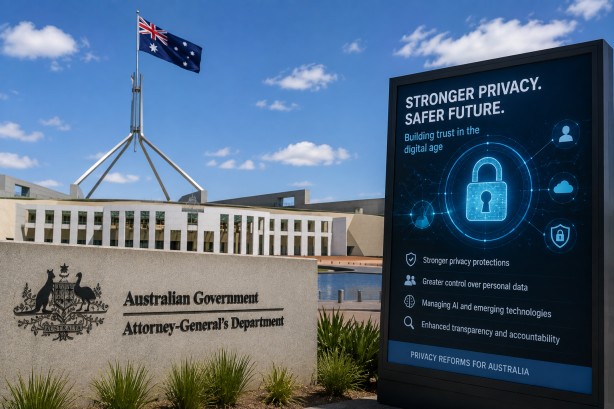
In response to the increasing prevalence of artificial intelligence, facial recognition, and connected devices, Australia has laid out plans to overhaul its privacy laws, aiming to bolster the protection of personal information. Among the key changes is the introduction of a “fair and reasonable” test that would compel organizations to provide justifications for the collection and usage of personal data. Additionally, the reforms propose empowering individuals with enhanced rights to request the deletion of their personal information from large digital platforms, alongside implementing stricter consent requirements.
The proposed legislative changes also seek to tighten regulations surrounding the use of personal information in targeted advertising, data trading, and activities related to artificial intelligence, thereby granting Australians greater authority over the collection, usage, and dissemination of their data. This move comes amid growing privacy concerns among the public, with government research indicating strong support for increased personal data control and a legal framework to facilitate data deletion requests.
Addressing the contentious issue of facial recognition technology, the reforms aim to tackle the regulatory challenges associated with the use of biometric data in public spaces, such as retail environments. This follows heightened scrutiny over the deployment of such technologies and their implications for privacy.
The Australian government has opened consultations on the proposed privacy law changes, inviting submissions until September 18, 2026. These proposals are still under consideration and will undergo further deliberation before being finalized.