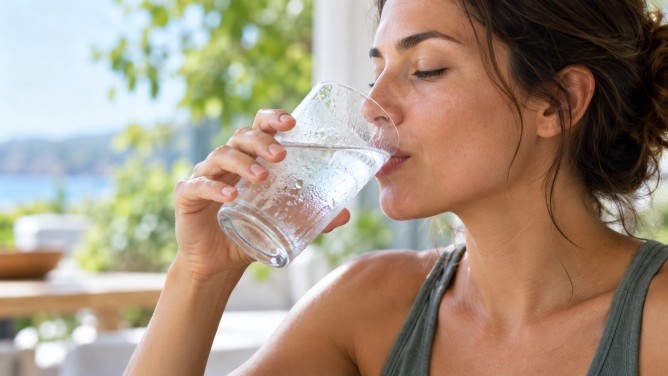
The sensation of drinking cold water is especially gratifying after physical exertion or exposure to heat, but why does it feel more refreshing than room-temperature water? While both temperatures effectively hydrate the body, the difference in the refreshing sensation primarily stems from the body’s response to temperature, thirst, and the subsequent relief experienced.
Thirst acts as the body’s natural signal for the need to replenish fluids. When fluid levels drop due to activities such as sweating or inadequate intake, the brain detects these changes and prompts the urge to drink. Drinking water begins to alleviate this thirst, and the sense of refreshment occurs even before the body fully absorbs the water.
Cold water enhances this experience due to the temperature-sensitive nerve endings in the mouth and throat that detect the coolness as water flows through. This cooling sensation is particularly pleasant when the body is warm, such as after exercising or spending time in the sun. The contrast between a heated body and cool water amplifies the satisfaction of each sip.
The perception of drinking water is also influenced by its temperature. Although water is largely flavorless, its temperature affects how refreshing it seems, with cooler water often being more appealing when one feels overheated or very thirsty.
The brain plays a crucial role in both generating the sensation of thirst and recognizing relief. Sensory signals from drinking water quickly reach the brain, helping to diminish the thirst sensation even before the water is fully absorbed by the body. The combination of drinking and experiencing a noticeable cooling effect makes cold water’s immediate sense of relief feel more pronounced.
However, when it comes to hydration, cold water is not inherently more effective than room-temperature water. Both serve to replenish fluids efficiently, and the best choice depends on personal preference, activity level, and the surrounding temperature. Some individuals may find cold water easier to consume in warmer conditions, while others might prefer it at room temperature. The key takeaway is to ensure adequate fluid intake throughout the day, especially when engaging in activities that increase sweating or exertion.