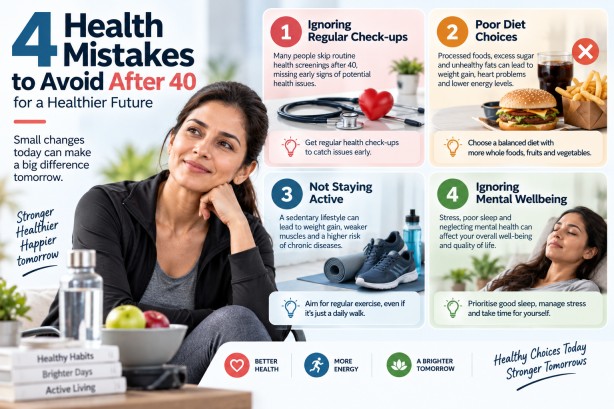
Reaching the age of 40 often serves as a pivotal moment to reassess personal health priorities. The natural shifts in metabolism, muscle mass, and daily responsibilities that accompany this stage of life can sometimes lead to the neglect of healthy habits. Instead of waiting for health issues to emerge, establishing sustainable routines and adhering to preventive care measures can significantly contribute to long-term wellness. Here are some common pitfalls to avoid after reaching this milestone.
Many people are tempted by extreme or fad diets that claim to facilitate quick weight loss. However, such restrictive eating plans are typically unsustainable and can lead to nutritional deficiencies by omitting entire food groups. A more effective approach involves adopting a balanced diet rich in vegetables, fruits, whole grains, proteins, and healthy fats. This method emphasizes lasting dietary changes over temporary restrictions.
In today’s fast-paced world, busy schedules often lead to increased sedentary behavior, particularly during long work hours. As we age, maintaining muscle strength becomes crucial, making regular physical activity an essential part of a healthy lifestyle. Incorporating exercises like walking or other aerobic activities along with strength training can be beneficial. Simple practices, such as taking brief movement breaks during work or opting for stairs when possible, can help counteract the effects of prolonged inactivity.
Another critical aspect of maintaining health in your 40s is not overlooking recommended health screenings. Preventive healthcare is vital, even when you feel perfectly healthy, as some conditions may develop without obvious symptoms. Based on factors such as age, gender, family history, and personal risk, healthcare professionals might suggest screenings for various conditions, including certain cancers, hypertension, diabetes, and high cholesterol. It’s important to engage with your doctor about which screenings are appropriate and how frequently they should be conducted.
Lastly, a common misconception is that it’s too late to alter long-standing unhealthy habits. Contrary to this belief, positive changes can be made at any age. Setting achievable goals like regular walking, enhancing your diet, improving sleep patterns, reducing the use of tobacco or alcohol, or beginning strength training can gradually lead to healthier routines. Rather than attempting a complete lifestyle overhaul overnight, focus on small, consistent changes that are more likely to become permanent habits. Embracing your 40s as an opportunity to refine health habits can lead to improved well-being and enhanced quality of life in the years ahead.