Iran’s drone campaign against American forces in West Asia appears designed to exploit a specific vulnerability: the cost asymmetry between cheap attack drones and expensive conventional air defense systems. Ukraine identified this vulnerability, warned the US about it, and offered a solution. The US declined. Iran proceeded to exploit exactly the vulnerability Ukraine had flagged.
Ukraine’s insight into Iranian drone strategy is grounded in the fact that Russia adopted that same strategy against Ukraine. Mass Shahed attacks forced Ukraine to develop cheap counter-drone systems or face an unwinnable war of attrition. The solution Kyiv developed — low-cost interceptor drones and integrated sensor networks — addresses the cost asymmetry problem that Iran is now exploiting against US forces.
The August White House briefing presented this analysis to the Trump administration. The proposal included both the technological solution and a strategic framework for deploying it, explicitly warning that Iran’s improving drone capabilities would create growing risks for American bases in the region. The presentation was thorough and based on real operational experience.
The administration’s failure to act allowed Iran to build its strategy around the vulnerability Ukraine had flagged. Seven Americans are dead. Conventional counter-drone spending has been extensive and ongoing. The strategic advantage Iran anticipated from its drone campaign has largely materialized.
Ukraine’s deployment to Jordan and Gulf states represents the beginning of a correction. Interceptor drones and specialists are now in place, creating the cost-effective defensive layer that Kyiv proposed. Whether this deployment can fully reverse Iran’s strategic advantage remains to be seen, but it represents the implementation — finally — of the solution that was available eight months ago.
Iran’s Strategy Was Built Around America’s Vulnerability — Ukraine Saw It Coming
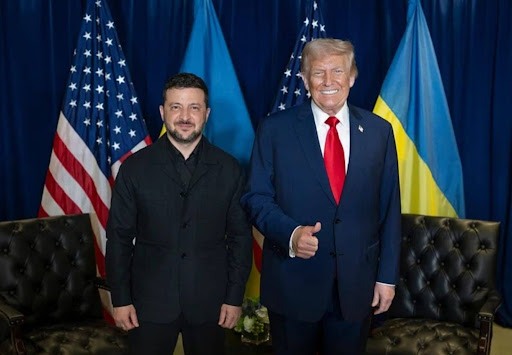
Picture Credit: Rawpixel (Public Domain / CC0)
17