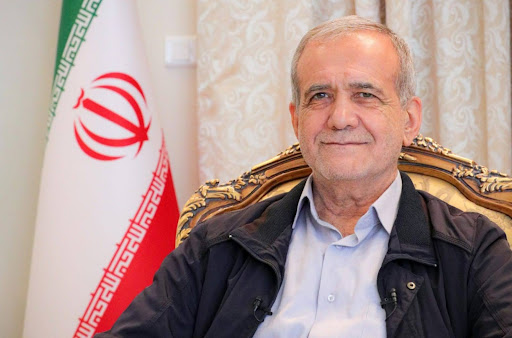
Iranian President Masoud Pezeshkian has issued a demand to Gulf nations that amounts to a call for regional sovereignty, urging them to stop hosting the military campaign being waged against Iran by the United States and Israel. The demand was articulated in a post on X more than a month into the Iran-US conflict. Pezeshkian argued that security and development are impossible for countries that allow outside powers to run wars from their territory.
Gulf nations including Saudi Arabia, the UAE, Kuwait, Qatar, and Oman have found themselves embroiled in the conflict due to American military bases on their soil. The US has launched strikes against Iran from these facilities, and Tehran has responded with retaliatory attacks inside those countries. The dynamic has transformed Gulf states from bystanders into participants in an active and dangerous conflict.
Pezeshkian reiterated that Iran does not initiate military confrontations, but that it will respond decisively to any attack on its infrastructure or economic centers. His demand that Gulf countries stop hosting enemy forces is framed as a matter of both principle and pragmatism: these nations cannot achieve security while enabling a war being directed from their land. It is an appeal to regional logic as much as it is a warning.
Pakistan has emerged as the most credible diplomatic intermediary. Prime Minister Shehbaz Sharif confirmed after speaking with Pezeshkian that trust is the essential starting point for any peace negotiations. Pakistan is hosting the foreign ministers of Saudi Arabia, Egypt, and Turkey in Islamabad for multilateral discussions on how to de-escalate the ongoing conflict.
Pakistan’s Ishaq Dar will chair the talks and arrange meetings with Prime Minister Sharif. Iran has praised Pakistan’s sincere and constructive role in the peacemaking process. The meetings in Islamabad will be closely watched as the most structured diplomatic attempt yet to create conditions for a ceasefire and future negotiations.