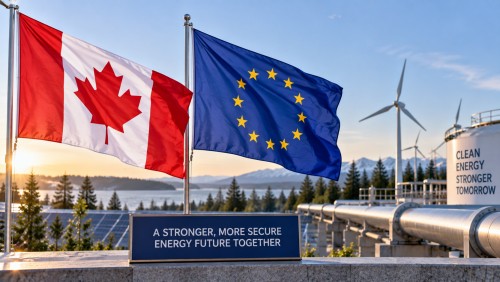
Amid global efforts to enhance energy security and reduce dependency on Russian energy, Canada and the European Union are pursuing a closer energy partnership. This strategic collaboration aims to fortify Europe’s energy framework, with Canadian Prime Minister Mark Carney engaging in discussions with EU leaders during his recent visit to Strasbourg. Both parties are keen to deepen their economic and strategic ties as they navigate the evolving energy landscape.
Canada, with its vast reserves of oil and natural gas, possesses significant export infrastructure on its West Coast but lacks comparable facilities on the eastern front to facilitate direct energy exports to Europe. Addressing this infrastructure gap could take several years, thus prompting consideration of alternative strategies to expedite cooperation.
One innovative approach under consideration involves energy swap agreements. Such arrangements would enable Canadian energy shipments originally destined for Asian markets to be redirected to Europe through exchanges with other suppliers. This method could provide European buyers with timely access to Canadian energy without necessitating direct transatlantic shipments.
The potential partnership is not limited to fossil fuels. Canada is also poised to supply critical minerals essential for Europe’s transition to clean energy. This would support Europe’s development of renewable power and other low-carbon technologies, thus broadening the scope of cooperation beyond traditional energy commodities.
As Canada and the EU explore this multifaceted partnership, the collaboration could encompass energy trade, critical minerals, and clean-energy initiatives, thereby reinforcing their economic and energy ties in a rapidly changing global environment.