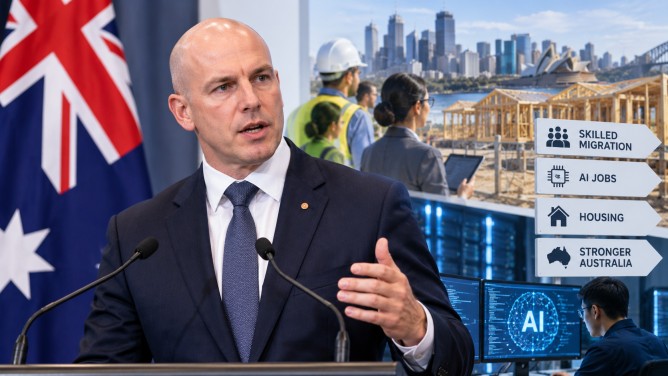
As Australia grapples with significant labor shortages in its artificial intelligence and housing industries, Independent Senator David Pocock has urged the government to prioritize skilled migrants in its immigration policies. This plea follows a report by the Powering Skills Organisation, which highlighted the country’s impending need for an additional 72,000 electricians and tradespeople by 2030 to keep pace with major construction and infrastructure projects.
Pocock questioned the current focus of Australia’s migration strategy, which he feels is overly concentrated on total population growth rather than honing in on critical workforce gaps. He expressed concern that essential trades are not receiving the attention they deserve, especially as the nation struggles to meet its housing demands. The senator’s comments suggest a need for a more targeted approach to migration that aligns with specific economic needs.
In addition to addressing workforce shortages, Pocock sounded the alarm about potential public resistance to AI data centres, mirroring sentiments developing in the United States. He cautioned that without securing substantial economic advantages from these facilities, Australia might face growing opposition. His remarks underscore the importance of ensuring that the economic benefits of hosting AI infrastructure are not overlooked.
Furthermore, Pocock raised issues regarding large multinational tech companies and their tax practices in Australia. He warned that these companies might reduce their tax liabilities while profiting from the country’s investments in AI infrastructure. To counter this, Pocock advocates for establishing mechanisms that would guarantee a lasting economic return for Australia from hosting extensive data centres, a need that is expected to rise alongside the demand for AI infrastructure.