Canada’s potential deepening of ties with the European Union has sparked debate as political leaders weigh the benefits and drawbacks of closer integration. Following remarks by European Commission President Ursula von der Leyen supporting Canada as the EU’s first “associate member,” discussions have emerged around what such a partnership could mean for the nation.
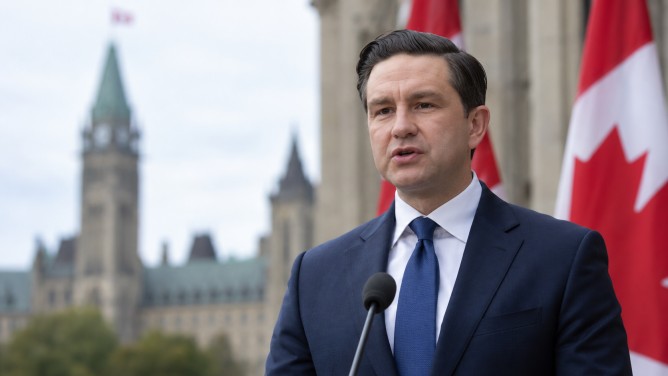
In a recent rally in Brantford, Ontario, Canadian opposition leader Pierre Poilievre voiced strong opposition to proposals that would increase Canada’s alignment with Europe. Poilievre emphasized that Canada already benefits from a free trade agreement with the EU and maintains significant defense ties through NATO. He expressed concerns about the implications of adopting European taxes, laws, and immigration policies, declaring that Canada will “never be the 28th state of the European Union.”
On the other hand, Prime Minister Mark Carney has shown openness to the idea, suggesting that enhanced cooperation could offer expanded opportunities for Canadian youth and further integration of financial services. Carney has assured that any proposed partnership will undergo a parliamentary debate and vote, ensuring that the decision will be democratically reached.
The debate highlights broader questions about national sovereignty and the balance of international cooperation. While supporters of the proposal see potential economic and social benefits, critics argue that it could undermine Canada’s independence in crucial policy areas.
As the conversation unfolds, Canadians and their representatives are tasked with considering whether the advantages of closer EU ties outweigh the possible risks to national autonomy. The outcome of parliamentary debates will likely shape the future trajectory of Canada’s relationship with Europe.