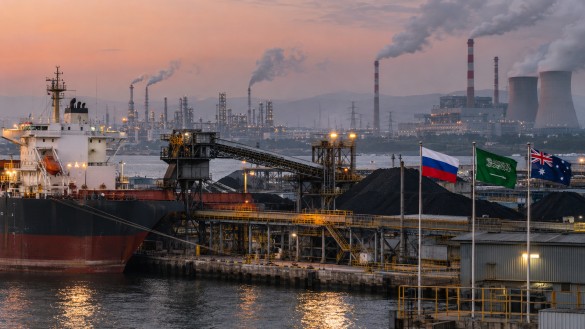
Russia, Saudi Arabia, and Australia have emerged as the world’s largest historical exporters of carbon dioxide emissions linked to fossil fuel trades, as revealed by a new analysis covering coal, oil, and gas exports since 1850. This study shifts the conventional focus from emissions produced where fuels are burned to those generated from the countries where fossil fuels are extracted and exported.
The analysis positions Russia at the forefront, accountable for over 70 gigatonnes of CO2 emissions from fossil fuels exported by the end of 2025. Saudi Arabia follows with approximately 60 gigatonnes, and Australia ranks third with over 25 gigatonnes. This approach underscores how countries exporting fossil fuels significantly contribute to global warming beyond their domestic emissions footprint.
The findings have spurred discussions on the financial responsibilities for climate change, with environmental groups urging major fossil fuel producers to increase their contributions towards mitigating climate damage and facilitating the transition to cleaner energy sources. The debate intensifies as Australia, hosting this year’s United Nations climate summit COP31 in Türkiye, faces scrutiny for its continued reliance on fossil fuels, which constitute about 40% of its export economy. Despite its role in climate negotiations, Australia has yet to establish a timeline for phasing out fossil fuel exports.
Climate experts have criticized the ongoing expansion of coal and gas production, warning that newly approved projects could operate for decades and hinder global climate goals. This concern is echoed by calls for stronger international commitments to reduce dependency on fossil fuels and expedite the shift towards sustainable energy.
In contrast, Saudi Arabia has challenged the attribution of emissions solely to exporting countries, arguing that importing nations should share the responsibility, as they influence how the fuels are utilized and manage the resulting emissions. This stance illustrates the broader debate on emission accountability and the complexities involved in addressing climate change on a global scale.